IFAQ: Figurines of Wondrous Power
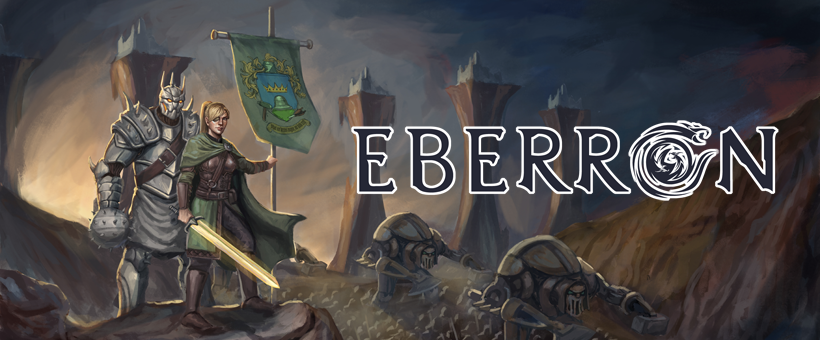
"What do we do, Lightbearer?"
"We've got to hold this position," Drego said. "We can't let the wolves through the pass. But the people at the Crossroads need to know what we've learned about the thrice-damned rats." He unpinned the raven brooch from his cloak, and whispered to it. Silver flame licked around the edges, and the metal melted and expanded, reforming into a bird with glittering feathers. After a few more words, the bird took to the air and disappeared into the canopy of the Towering Wood, heading south.
As time permits, I like to answer interesting questions posed by my Patreon supporters. Questions like...
How do you see Figurines of Wondrous Power fitting into the Eberron setting?
A figurine of wondrous power is a magic item that can become a living creature for a particular duration or until the animal is killed. These are the mechanics, but it's up to us to provide the flavor and the context. How common are they? Who makes them, and who uses them?
Starting with the first question, suggested rarity is a good place to start. What we've said before is that uncommon items can be found as part of everyday life in the Five Nations. Rare items are in fact rare; they exist, certainly, but aren't part of everyday life. So it's reasonable to think that a soldier in a special forces unit might be given a silver raven to help with communication, and one of Tharashk's top bounty hunters might have an onyx dog to help with her hunts. But that onyx dog would be a remarkable tool... and the very rare obsidian steed would be almost unheard of in the Five Nations. Given both the material and the nature of the creature involved, I'd be likely to make obsidian steeds tools created by the Lords of Dust—perhaps by the Scribe Hektula, given to favored warlocks of Sul Khatesh.
So once again, figurines are mechanics. But there's a lot of different ways that you could interpret those mechanics, based on the story you want to tell. So how do figurines fit into Eberron? I could imagine a few very different ways I'd use them.
Sovereign and Flame
The first figurines used by the people of the Five Nations were divine in nature, not arcane. Balinor is the Sovereign of Hunt and Hound, teaching people to work with beasts both as allies and as prey. Vassal figurines are engraved with Balinor's symbol and imbued with faith. They function just like normal figurines, but they can only be recharged by devotion; such a figurine won't regain its charge unless it's in the possession of a devoted Vassal.
As noted in the quote that opens this article, the Church of the Silver Flame has also created such figurines. The most common of these is the silver raven, often used as a messenger by templars in the field; some of these take the form of small winged serpents, though they have no special abilities beyond flight. Like the Vassal figurines, these divine items can only be recharged by the faith of a follower of the Flame. I could also imagine Seekers of the Divinity Within crafting bone figurines of wondrous power; while one might expect such creatures to be skeletal, I'd be more inclined to make them vivid crimson beasts formed from the essence of the Seeker's own blood.
Cannith Figurines
Over the last century, House Cannith has been experimenting with figurines that replicate the basic principles of a creation forge. Cannith figurines can only be used by people who bear the Dragonmark of Making. They're made of metal and wood, embedded with small siberys dragonshards. When activated, they grow bodies of root and steel, and have the Constructed Resilience trait of warforged. When the beast is killed or reverted, the materials that comprise it dissolve.
Sentira Figurines
Both the Inspired and the kalashtar of Adar use figurines of wondrous power carved from sentira, a substance made from solidified emotion. The emotion used in the figure is reflected in the creature summoned; an onyx hound made from hatred will be cruel and aggressive, while one made from love will be gentle but protective of its summoner. The beasts summoned by sentira figurines have the statistics of the living creatures they resemble, but they're formed from ectoplasm and often have dreamlike aspects—unnatural coloration, fur rippling in nonexistent wind, and a strong aura of the emotion that forms them. Activating a sentira figurine requires the user to feel the associated emotion intently; to use a figurine formed of hatred, the bearer will have to think of a creature they hate.
Spectral Figurines
The elves of Aerenal—both Aereni and Tairnadal—create figurines of wondrous power. Both operate in a similar manner. When the figurine is activated, the translucent form of the summoned animal takes shape around the item. The summoned creature is solid and can be touched or ridden, and is in all ways treated as a living creature, but it is clearly ghostly and dissolves when its service is done. Aereni figurines are made using the spirits of beloved animals, while Tairnadal figurines are icons representing beasts of legend that fought alongside the patron ancestors. Both types of figurines are prized relics that typically have great emotional value to their owners, and are rarely sold; given this, Aereni or Tairnadal may be curious or angry if they see such items in the hands of others. Spectral figurines are often tied to the Valenar beasts presented in Eberron: Rising From The Last War; the equivalent of an onyx dog might summon a Valenar hound.
Daelkyr Figurines
A number of the daelkyr have created Figurines of Wondrous Power. While functional, they're not very pleasant...
- Dyrrn's figurines are small, beating hearts. When activated, a figurine extrudes fleshy tendrils and chitinous plates, weaving them together to create a body out of strands of muscle; it has the general shape of an elephant or a goat, but most people will be horrified by its appearance. When the creature is killed or reverted, the fleshy form falls away and slowly decays, leaving only the heart intact.
- Kyrzin's figurines are vials of fluid. To activate the figurine, you unstopper the bottle and pour out its contents; the liquid expands into a gelatinous shape, again reminiscent of the creature but very clearly unnatural. When slain or reverted, the gelatinous form melts away. Meanwhile, the vial slowly refills itself until it's ready to be used again.
- Orlask's figurines are stone statues, much like standard figurines of wondrous power. However, Orlassk's figurines are living creatures that have been trapped in this stone form; holding the figurine, you can feel the misery of the trapped creature. When they are used, the bound creature is released, though it is forced to obey the person who freed it. When slain or reverted, they are returned to their prison of stone.
These are just a few examples of possible figurines of wondrous power, and I'm sure you can come up with many more. As rare items most figurines would be, well, rare; I'd use the uncommon bag of tricks if I was creating a version of Pokemon in Eberron.
I won't be answering questions on this IFAQ, but share your thoughts and ideas below. And if you'd like pose questions that could inspire future articles or participate in my online Eberron campaign, check out my Patreon!